
 EN



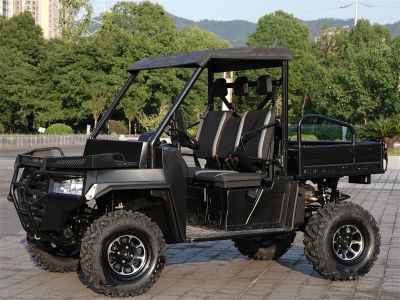
The all-terrain vehicle (ATV) market is constantly evolving, driven by advancements in technology and changing consumer demands. Understanding the latest trends in all-terrain vehicles is essential for businesses looking to invest in these versatile machines. This article will explore what you need to consider when choosing ATVs for your operations, key specifications to evaluate, how to make effective comparisons, reliable sourcing options, and a step-by-step purchasing approach.
What to Consider When Choosing All-Terrain Vehicles for Your Business?
When selecting all-terrain vehicles, businesses must consider various factors to ensure they meet operational needs. First, assess the intended use of the ATV. Different applications such as recreation, agriculture, or industrial use require specific performance capabilities. Consider terrain types, load capacities, and the frequency of use, as these will influence the model selection. Additionally, think about the vehicle's size and weight. Larger vehicles may offer more power and capacity but can be less maneuverable in tight spaces. Compatibility with existing equipment is also crucial ensure the all terrain vehicles 4 seater can work alongside other machinery in your operation. Finally, evaluate the manufacturer's reputation and customer service offerings, as these can significantly impact the ownership experience and after-sale support.
Top Specifications to Evaluate in All-Terrain Vehicle Purchases
Several key specifications should be evaluated when purchasing all-terrain vehicles.
Engine Performance: Look for information regarding engine size (displacement), power output (horsepower), and torque. These factors directly affect the vehicle's performance, especially in demanding environments.
Transmission Type: The choice between automatic and manual transmission can affect usability and maintenance. Advanced transmission systems, like the hydraulic mechanical step less dual-flow transmission found in some of the latest models, can enhance operational efficiency and comfort.
Suspension System: The suspension setup can significantly impact ride quality and handling. A robust suspension system is essential for navigating rough terrains without compromising stability.
Payload Capacity: Ensure the ATV can handle the all terrain motorcycles required load, whether for transporting equipment, materials, or personnel. This specification should align with your operational demands.
Fuel Efficiency: Evaluate the vehicle's fuel consumption rates. More efficient ATVs can reduce operational costs over time.
Safety Features: Consider the availability of safety features such as roll cages, seat belts, and braking systems. These features are crucial for protecting operators in hazardous environments.
How to Compare All-Terrain Vehicles for Your Project Needs?
When comparing different all-terrain vehicles, create a checklist based on your operational requirements. Start by establishing a list of essential features relevant to your industry. For instance, if your project involves extensive off-road work, prioritize vehicles with superior traction systems and rugged tires. Next, gather specifications from different manufacturers and create a side-by-side comparison chart. Pay close attention to performance metrics, warranty terms, and maintenance requirements. If possible, arrange for test drives or demonstrations; this firsthand experience can provide invaluable insights into how each vehicle performs in real-world conditions. Don't forget to consider the total cost of ownership, which includes not just the purchase price but also maintenance costs, fuel expenses, and potential downtime. This comprehensive evaluation will help ensure you choose an ATV that best fits your project needs and budget.
Where to Source Reliable Suppliers for All-Terrain Vehicles?
Sourcing reliable suppliers for all-terrain vehicles involves research and due diligence. Start by exploring industry-specific trade shows and exhibitions, where manufacturers showcase their latest models and technologies. This also provides an opportunity to network with other industry professionals. Online platforms and industry directories can also be valuable resources for finding reputable suppliers. Look for manufacturers with a strong track record in the ATV market and positive customer reviews. Consider those who have experience with large-scale projects, such as the amphibious all terrain vehicle company that supplied ATVs for the Beijing Winter Olympics, as they likely have the capacity and expertise to meet demanding requirements. Requesting references and testimonials from previous clients can further validate a supplier's reliability. Once you've narrowed down your options, reach out for detailed quotes and explore customization options to ensure the vehicles align with your specific operational needs.
A Step-by-Step Approach
Define Requirements: Clearly outline your operational needs, including intended use, load capacities, and terrain types.
Research Models: Investigate various models available in the market. Pay attention to the latest innovations in ATVs, such as hybrid technologies and advanced transmission systems that enhance performance.
Evaluate Specifications: Create a detailed checklist of specifications and compare them across different models. Focus on engine performance, suspension, fuel efficiency, and safety features.
Supplier Assessment: Compile a list of potential suppliers based on research and industry recommendations. Reach out for quotes and assess their customer service and support capabilities.
Test and Validate: Whenever possible, arrange for test drives of the shortlisted vehicles to experience their performance firsthand.
Final Decision: Make a well-informed decision based on comparisons, supplier reliability, and overall value.
By following this structured approach, businesses can ensure they select the right all-terrain vehicles that meet their operational requirements while maximizing investment value.