
 EN



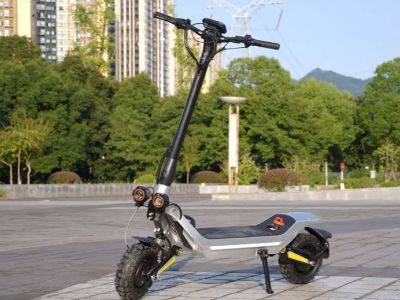
Choosing the right electric scooter supplier is critical for businesses seeking to enhance their product offerings or enter new markets. Buyers must consider various factors, including product specifications, manufacturing capabilities, and pricing structures. This article will provide practical guidance on how to choose an electric scooter supplier, addressing key buyer concerns and offering insights that can lead to informed purchasing decisions.
How to Choose the Right Electric Scooter Supplier for Your Business
When selecting an electric scooter supplier, start by evaluating their manufacturing capabilities. A reputable supplier should be able to demonstrate advanced production methods and equipment, as well as experience in producing high-quality electric scooter. Investigate their certifications and quality control processes to ensure they meet industry standards.
Next, assess the product specifications that align with your business needs. This includes battery capacity, motor power, weight capacity, and range. Consider the intended application of the scooters; different use cases may require different features. For example, scooters designed for urban commuting may prioritize lightweight design and portability, while those for rugged terrains may need robust materials and enhanced durability.
Additionally, customization capabilities are essential. Suppliers who can tailor their products to meet specific design requirements or branding needs can provide a competitive edge. Request examples of previous work or case studies to gauge their ability to deliver on custom projects.
Understanding Cost Factors for Bulk Orders of Electric Scooters
Pricing structures for electric scooters can vary significantly based on several factors. Volume-based pricing is a common practice in the industry; the more units you order, the lower the cost per unit. However, it's essential to understand the minimum order quantity (MOQ) set by the supplier, as this can impact your initial investment.
Material selection also plays a significant role in cost. Higher-quality materials may increase the initial price but can result in lower long-term maintenance costs and higher customer satisfaction. Ensure that you evaluate the total cost of ownership, which includes not only the purchase price but also potential shipping fees, import duties, and long-term durability.
Another cost factor to consider is the lead time for production and delivery. Longer lead times can affect your ability to meet market demands, which can ultimately impact sales. Discuss with potential suppliers about their production schedules and timelines to ensure they align with your business needs.
Where to Find Reliable Suppliers for Electric Scooters in Bulk
Finding reliable suppliers requires thorough research. Start by leveraging industry trade shows and exhibitions, which often feature numerous manufacturers and suppliers showcasing their products. Networking with industry peers can also yield valuable recommendations.
Online platforms such as Alibaba and ThomasNet can help you identify potential suppliers, but don’t rely solely on online information. Verify suppliers through direct communication, requesting references and samples. This step is crucial for assessing their responsiveness and willingness to collaborate.
Additionally, consider suppliers with a proven track record in related markets, such as all-terrain vehicles or electric vehicles. Companies with established expertise in manufacturing foldable electric scooter may offer better insights into product performance, durability, and compliance with industry regulations.
What Buyers Need to Know
Before finalizing a supplier, buyers should understand the product’s technical parameters and application suitability. This includes confirming the scooter's compliance with local regulations regarding safety standards, battery disposal, and environmental impact. Understanding regional certification requirements can prevent costly compliance issues in the future.
It's also vital to inspect samples before making a bulk order. Evaluate the scooter's construction, material quality, and overall performance under conditions that mirror your intended use. Testing prototypes for factors such as speed, braking efficiency, and battery life will provide insight into how well the product meets your expectations.
Lastly, clarify the warranty and after-sales support offered by the supplier. Reliable after-sales service can significantly impact customer satisfaction and brand reputation. Ensure you are aware of their policies regarding repairs, replacement parts, and customer support.
Choosing the Right Fit for Projects
Selecting the right portable electric scooter supplier for specific projects involves assessing their ability to meet unique requirements. Identify the specific application or target market for the scooters whether for urban commuting, delivery services, or recreational use and ensure the supplier can deliver products that meet those needs.
Customization options should align with your brand identity and meet customer preferences. This may include color variations, branding opportunities, or feature enhancements like GPS tracking or smart technology integration. Discuss these options with potential suppliers to evaluate their willingness and capacity to accommodate your project specifications.
Additionally, consider the supplier's communication and collaboration style. A supplier that values transparency and maintains open channels of communication can facilitate a smoother procurement process. Evaluate their responsiveness to inquiries and their ability to provide timely updates during production.
Choosing the right electric scooter supplier requires careful consideration of manufacturing capabilities, cost factors, and product specifications. By conducting thorough research and engaging with potential suppliers, buyers can make informed decisions that align with their business goals and enhance their product offerings.