
 EN



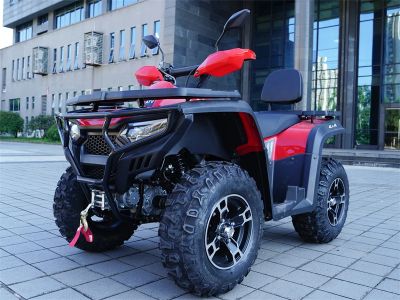
The all-terrain vehicle (ATV) industry is evolving rapidly, driven by advancements in production technology that enhance vehicle performance, safety, and environmental sustainability. The latest trends in all-terrain vehicle production technology focus on innovative features, efficient manufacturing processes, and meeting diverse market demands. For B2B buyers, understanding these trends is crucial for making informed decisions about suppliers, evaluating quality, and ensuring cost-effectiveness in purchasing. This article will guide you through key considerations for selecting ATV suppliers, assessing manufacturing quality, understanding cost factors, sourcing reliable components, and exploring the best applications for ATVs across various industries.
What to Consider When Choosing All-Terrain Vehicle Suppliers?
When selecting an ATV supplier, several factors should be prioritized to ensure the best match for your operational needs. First, assess their manufacturing capabilities, including technology used, production capacity, and experience in the industry. A supplier that has a proven track record, such as the one that pioneered China’s first large-displacement motorcycle and the world’s first hybrid amphibious ATV, can provide confidence in their ability to deliver high-quality products.
Next, consider the supplier’s customization capabilities. As ATV applications vary greatly from recreational use to specialized industrial tasks having a partner that can tailor products to specific requirements is essential. This includes modifications in design, materials, and specifications to suit different environments and performance needs. Lastly, evaluate the all terrain atv supplier's quality control processes. A robust quality assurance system should be in place, ensuring that products meet industry standards and customer expectations. Look for certifications and compliance with relevant regulations, as these often reflect a supplier's commitment to quality and reliability.
How to Evaluate Quality in All-Terrain Vehicle Manufacturing?
Quality evaluation in ATV manufacturing involves a multi-faceted approach. Key specifications to scrutinize include materials used, manufacturing processes, and performance metrics. High-quality ATVs typically utilize durable materials that can withstand harsh conditions. For instance, metals should have adequate tensile strength and corrosion resistance, while plastics should offer impact resistance and UV stability. Another critical aspect is the production equipment. Advanced manufacturing technologies, such as CNC machining and robotic assembly, can significantly enhance precision and consistency in production. It's essential to inquire about the types of equipment employed and whether they are regularly maintained and updated. Quality control processes are equally important. Prospective buyers should request details on how the manufacturer conducts inspections and testing throughout the all terrain electric scooter production cycle. This could include dimensional checks, performance testing, and assessments of aesthetic standards. Engaging with existing clients or seeking testimonials can also provide insights into the supplier's quality track record.
Cost Factors That Affect All-Terrain Vehicle Purchases
Several cost factors influence ATV pricing, and understanding these can help buyers make more informed purchasing decisions. First, the material costs play a significant role. High-quality materials may increase upfront costs but can lead to lower long-term maintenance and replacement expenses. Labor costs, influenced by the complexity of manufacturing processes and regional wage standards, also affect pricing. Manufacturers with advanced automation may offer more competitive pricing due to reduced labor needs. Furthermore, customization options can impact overall costs. Standard models may be more affordable, while tailored solutions will usually come at a premium. Buyers should weigh the atv all terrain vehicle benefits of customization against their budget constraints. Lastly, shipping and logistics costs should not be overlooked. Understanding the supplier's location, transportation methods, and associated fees is critical. Buyers should factor these into their total cost calculations to avoid unexpected expenses later in the purchasing process.
Where to Find Reliable Suppliers for All-Terrain Vehicle Components?
Sourcing reliable suppliers for ATV components is vital for ensuring quality and performance. Start by leveraging industry networks, trade shows, and online platforms dedicated to manufacturing and automotive industries. These venues provide opportunities to connect with potential suppliers, assess their offerings, and engage in direct discussions about capabilities. Industry associations and trade organizations can also be valuable resources. They often maintain directories of certified manufacturers and suppliers, providing a level of assurance regarding their credibility and quality standards. Additionally, conducting thorough research online can uncover reviews and testimonials from other businesses. Pay attention to feedback regarding product quality, customer service, and delivery times. Engaging in discussions with peers in your industry can also yield recommendations for trusted suppliers.
Best Applications for All-Terrain Vehicles in Various Industries
All-terrain vehicles serve a wide range of applications across multiple industries, making them versatile tools for businesses. In the recreational sector, ATVs are popular for outdoor activities such as trail riding, hunting, and farming, where mobility and robustness are essential. In the construction and agricultural sectors, ATVs can be used for transporting materials, equipment, and personnel across rugged terrain. Their ability to navigate challenging environments makes them an asset on job sites where traditional vehicles may struggle. The increasing focus on environmental sustainability has also led to ATVs being utilized in conservation efforts, aiding in wildlife management and habitat restoration. Their hybrid and electric models present eco-friendly options that align with green initiatives. In emergency services, ATVs can provide rapid response capabilities in hard-to-reach areas, making them invaluable for search and rescue operations and firefighting efforts. understanding the latest trends in all-terrain vehicle production technology is essential for making informed purchasing decisions. By considering supplier capabilities, evaluating manufacturing quality, analyzing cost factors, sourcing reliable components, and recognizing application opportunities, B2B buyers can navigate the complexities of the ATV market effectively.
Table of Contents
- What to Consider When Choosing All-Terrain Vehicle Suppliers?
- How to Evaluate Quality in All-Terrain Vehicle Manufacturing?
- Cost Factors That Affect All-Terrain Vehicle Purchases
- Where to Find Reliable Suppliers for All-Terrain Vehicle Components?
- Best Applications for All-Terrain Vehicles in Various Industries