
 EN



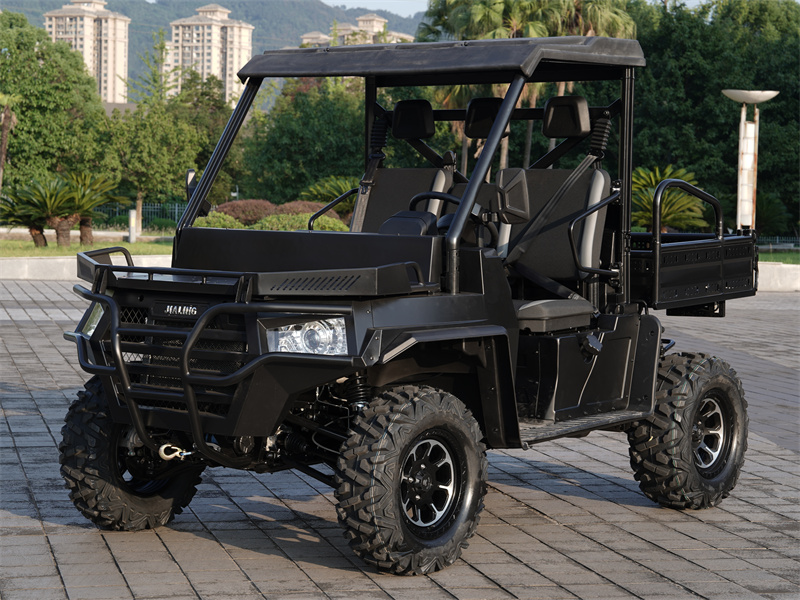
Selecting the right all-terrain vehicle (ATV) can be a complex task for B2B buyers, particularly in industries requiring specific performance capabilities. This ultimate guide to all-terrain vehicle selection aims to clarify key considerations, specifications, and sourcing strategies relevant to purchasing managers, distributors, and engineers. By understanding the nuances of ATV selection, buyers can make informed decisions that meet their operational needs, ensuring both functionality and value.
How to Choose the Right All-Terrain Vehicle for Your Needs
Choosing the appropriate ATV involves evaluating several critical factors. First and foremost, consider the primary application of the vehicle. Will it be used for recreational purposes, agricultural tasks, or industrial applications? Each use case demands specific features and performance metrics. For instance, an ATV designed for rugged terrains may require a robust suspension system and enhanced tire grip, while a vehicle intended for agricultural tasks might prioritize towing capacity and cargo space.
Specifications such as engine displacement, load capacity, and drivetrain type are also vital. Engine displacement affects power and efficiency; a larger engine may be necessary for heavy-duty applications. Load capacity is crucial for ensuring the all terrain vehicle can handle the intended payload without compromising safety or performance. Additionally, understanding drivetrain types such as two-wheel drive (2WD) versus four-wheel drive (4WD) enables buyers to select a model that best suits their terrain and operational requirements.
Customization options further enhance the selection process. Many manufacturers, including our company, offer customizable ATVs tailored to specific client needs. This might include modifications to engine tuning, suspension adjustments, or additional accessories like winches or storage solutions. Engaging with suppliers about these options can lead to a more tailored vehicle that meets unique operational demands.
Where to Source Reliable All-Terrain Vehicle Suppliers for Bulk Orders
Sourcing reliable ATV suppliers involves a multi-faceted approach. Start by assessing suppliers with proven experience in the ATV market, particularly those with a solid track record in manufacturing and supply chain management. Look for companies with a history of innovation and product development, similar to our milestones, such as producing China’s first large-displacement motorcycle and the world’s first hybrid amphibious ATV.
Next, evaluate potential suppliers based on their manufacturing capabilities and quality control processes. Reliable suppliers should possess certifications that demonstrate adherence to industry standards, ensuring product quality and safety. Moreover, inquire about their production capacity and lead times for bulk orders, as these factors directly affect your operational timelines.
Networking within industry-specific trade shows and forums can also provide valuable insights into potential suppliers. Many manufacturers showcase their latest products and technologies at these events, allowing for direct interaction and negotiations. Additionally, online platforms such as industry directories and B2B marketplaces can facilitate connections with reputable suppliers.
Common Problems with All-Terrain Vehicles and Practical Solutions
Despite advances in ATV technology, users may encounter common issues that can affect performance and longevity. One prevalent problem is engine overheating, which can occur if the vehicle is consistently operated at high loads without adequate cooling. To mitigate this, ensure regular maintenance checks, including coolant levels and radiator integrity, are performed.
Another issue is related to tire wear and tear, especially in rugged terrains. Selecting the appropriate tire type for specific environments is essential. For example, aggressive tread patterns are better suited for off-road use, while smoother treads can enhance on-road performance. Regular inspections and timely tire replacements not only improve safety but also enhance the vehicle's overall performance.
Additionally, buyers should be aware of potential electrical issues, which can arise from exposure to moisture or harsh conditions. Implementing protective measures, such as using waterproof connectors and ensuring proper sealing of electrical components, can significantly reduce these risks.
Understanding Cost Factors in All-Terrain Vehicle Purchases
Several factors influence the cost of all-terrain vehicles, and understanding these can aid in budgeting. First, the base price of the vehicle itself is influenced by its specifications, brand reputation, and included features. Customization options, while enhancing functionality, can also increase the overall cost. Buyers should carefully assess which features are essential for their specific applications to avoid unnecessary expenses.
Additional costs to consider include maintenance and operational expenses. Regular upkeep, such as oil changes, tire replacements, and overall maintenance, should be factored into the total cost of ownership. Buyers should also evaluate warranty options and service agreements provided by suppliers, as these can significantly impact long-term costs.
Lastly, shipping and handling fees should not be overlooked, particularly for bulk orders. Understanding the logistics involved in transporting ATVs can help buyers prepare for additional costs that may arise during the purchasing process.
Applications of All-Terrain Vehicles in Various Industries and Projects
All-terrain vehicles serve a diverse range of applications across various industries. In agriculture, for instance, ATVs are essential for tasks like crop monitoring, transport of goods, and even pest control. Their ability to navigate uneven and muddy terrains makes them invaluable tools for farmers.
In construction and infrastructure projects, ATVs are used for site inspections, transporting small equipment, and providing access to hard-to-reach areas. Their versatility allows project managers to streamline operations and improve efficiency.
Recreational applications are also significant, with ATV vehicle being popular among outdoor enthusiasts for activities like trail riding, hunting, and camping. Understanding the specific application needs will guide buyers in selecting the right vehicle type and features.
In recent years, with innovations such as hybrid and amphibious models developed by industry leaders, the versatility of ATVs has expanded, allowing them to be used in a broader range of environments. Buyers should evaluate how these advancements can align with their operational goals.
By thoroughly assessing these factors, B2B buyers can navigate the complexities of all-terrain vehicle selection, ensuring that their choices align with both their immediate needs and long-term operational goals.
Table of Contents
- How to Choose the Right All-Terrain Vehicle for Your Needs
- Where to Source Reliable All-Terrain Vehicle Suppliers for Bulk Orders
- Common Problems with All-Terrain Vehicles and Practical Solutions
- Understanding Cost Factors in All-Terrain Vehicle Purchases
- Applications of All-Terrain Vehicles in Various Industries and Projects